

Condition Based Monitoring And Its Importance In Modern Industry
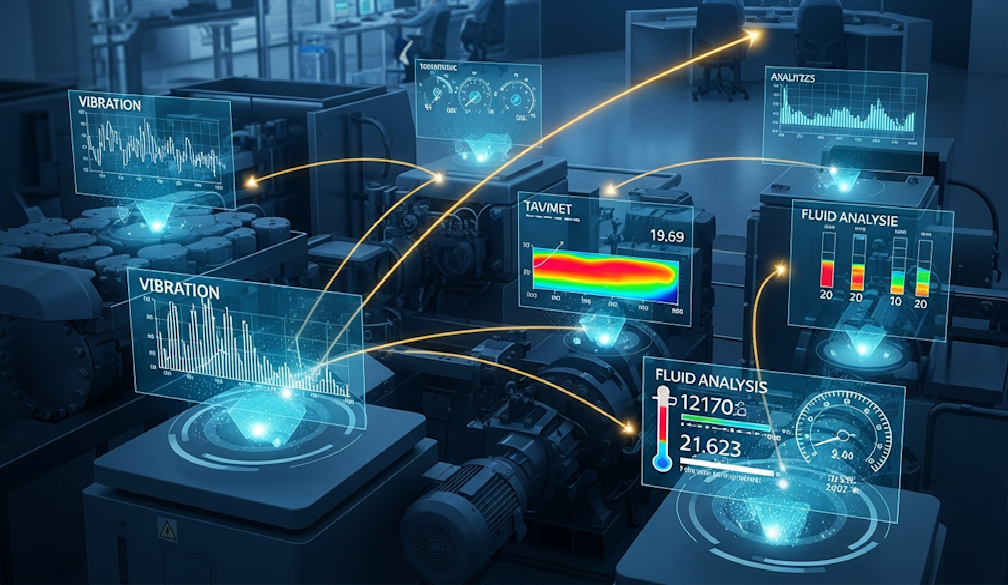
Modern industrial operations rely heavily on condition based monitoring to maintain equipment performance, minimise downtime, and ensure long-term reliability. Unlike traditional maintenance strategies that rely on fixed schedules, condition based monitoring assesses the actual health and performance of machinery in real time. By observing operating conditions such as vibration, temperature, pressure, contamination levels, and fluid quality, maintenance teams can identify developing issues before they escalate into failures. This proactive approach allows companies to address problems early, reduce unexpected downtime, lower repair costs, and extend equipment life. Condition based monitoring has become essential across industries such as manufacturing, mining, energy, transport, agriculture, and processing, where equipment reliability directly affects productivity and safety.
Understanding How Condition Monitoring Supports Industrial Performance
One of the strongest advantages of condition monitoring is its ability to track critical machinery data continuously. Sensors and diagnostic tools installed on equipment collect information on operating conditions and feed it into monitoring systems for analysis. By detecting abnormalities in performance trends, such as increased vibration, abnormal temperatures, or changes in fluid cleanliness, condition monitoring helps identify early indicators of wear, misalignment, component fatigue, or contamination. This proactive insight supports smarter maintenance planning and reduces the likelihood of sudden breakdowns. Instead of guessing when a machine might fail, operators can make informed decisions based on real-time data, optimising productivity while protecting equipment from long-term damage.
The Value Of Condition Monitoring Solutions In Predictive Maintenance
Advanced condition monitoring solutions provide industries with comprehensive tools and technologies to implement predictive maintenance strategies. These solutions integrate sensors, software, diagnostics, and reporting systems that analyse equipment behaviour and generate alerts when performance deviates from normal parameters. Predictive maintenance uses this data to forecast potential failures, allowing maintenance teams to plan repairs, replacements, or adjustments before issues disrupt operations. Condition monitoring solutions also enable continuous trend analysis and historical comparisons, providing deeper insight into equipment performance patterns. This reduces maintenance costs, extends the lifespan of machinery, and supports safer working environments by ensuring equipment remains in optimal operating condition.
Key Parameters Monitored In Industrial Equipment
Condition based monitoring focuses on measuring several critical parameters that reflect machine health. Vibration monitoring is used to detect imbalance, misalignment, and bearing wear. Temperature monitoring helps identify overheating caused by lubrication issues, excessive friction, or mechanical faults. Pressure sensors track hydraulic and pneumatic system performance, ensuring fluid power systems operate within safe limits. Oil analysis checks for contaminants, metal particles, water content, and chemical degradation that may indicate wear or failure in internal components. Monitoring these parameters provides a complete picture of machine health and allows for early detection of issues that require attention.
How Condition Monitoring Improves Equipment Lifespan
Continuous monitoring helps extend machinery lifespan by ensuring that components operate under controlled and safe conditions. When wear or damage is detected early, timely intervention prevents further deterioration. Condition monitoring also ensures that equipment is not subjected to unnecessary stress caused by misalignment, excessive vibration, or poor lubrication. By maintaining optimal operating conditions, machinery can run more efficiently and experience less long-term wear. This contributes to lower replacement costs, fewer emergency repairs, and better overall asset management.
Reducing Downtime Through Proactive Maintenance
Unexpected downtime can be costly for industries operating under tight production schedules. Condition based monitoring helps reduce downtime by identifying potential problems long before they cause system failure. Maintenance teams can schedule repairs during planned shutdowns, ensuring that operations remain uninterrupted. Predictive insights help industries avoid costly emergency repairs, delays in production, and safety risks associated with equipment failure. With real-time monitoring, companies remain prepared and responsive, maintaining steady productivity.
Supporting Safety In Industrial Workplaces
Safety is a major priority in industries that rely on heavy machinery and complex equipment. Condition monitoring improves safety by detecting issues that may pose risks to workers, such as overheating components, hydraulic leaks, or mechanical faults. By addressing these issues early, companies prevent accidents, protect personnel, and maintain a safe working environment. Monitoring systems also ensure that critical safety equipment continues to operate reliably, further enhancing workplace safety protocols.
Integration Of Smart Technology And IoT In Condition Monitoring
Modern condition monitoring solutions utilise smart sensors, IoT connectivity, and cloud-based software to provide real-time insights from anywhere. These systems transmit data to central platforms where advanced analytics, machine learning algorithms, and automated reporting enhance decision-making. Remote monitoring allows maintenance teams to oversee multiple machines across different locations without requiring constant on-site presence. IoT-enabled systems support scalability, enabling businesses to expand monitoring capabilities as operations grow. This technological integration enhances efficiency and provides industries with a future-proof approach to maintenance.
Condition Monitoring In Hydraulic And Fluid Power Systems
Hydraulic systems rely heavily on fluid cleanliness, pressure stability, and component performance. Condition monitoring tools measure fluid contamination, water content, particle count, and temperature to ensure hydraulic systems operate efficiently. Early detection of fluid degradation or contamination prevents damage to pumps, valves, cylinders, and seals. Monitoring pressure fluctuations helps identify leaks or failing components. Because hydraulic equipment is common in manufacturing, mining, agriculture, and construction, effective condition monitoring ensures system reliability and reduces costly downtime.
How Condition Monitoring Enhances Business Efficiency
Beyond equipment performance, condition monitoring contributes to overall business efficiency by reducing operational costs and improving productivity. Companies that use condition based monitoring benefit from fewer unexpected failures, lower maintenance expenses, and improved production planning. Data-driven maintenance decisions support smoother workflows and better resource allocation. Businesses also maintain compliance with safety regulations and extend the value of their assets. These advantages make condition monitoring an essential component of modern industrial management.
Conclusion: The Essential Role Of Condition Monitoring In Industrial Success
Condition based monitoring, combined with advanced condition monitoring solutions, empowers industries to maintain equipment reliability, improve safety, and optimise performance. By using real-time data to identify early warning signs, companies can implement predictive maintenance strategies that reduce downtime, extend equipment life, and support smooth operations.